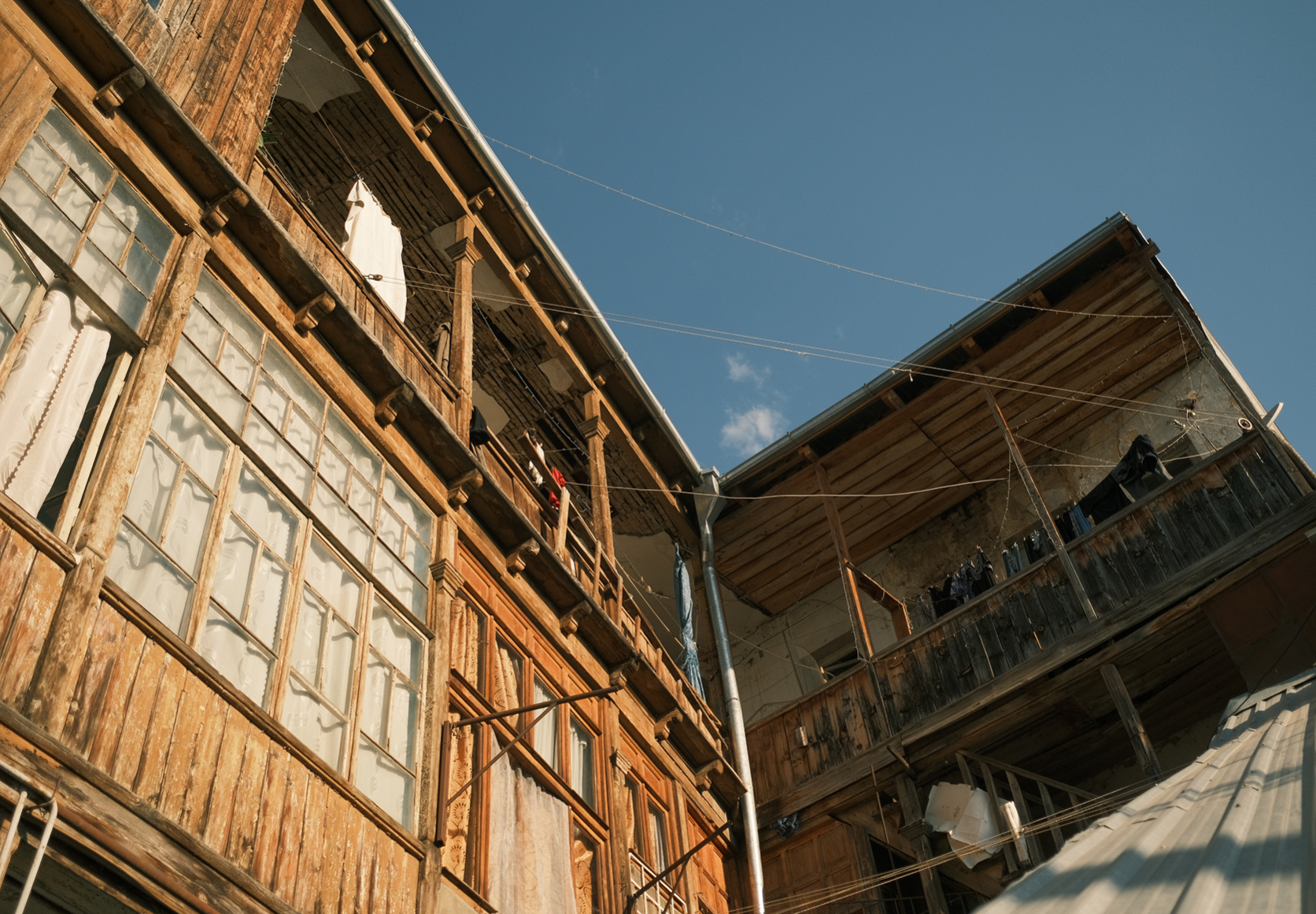
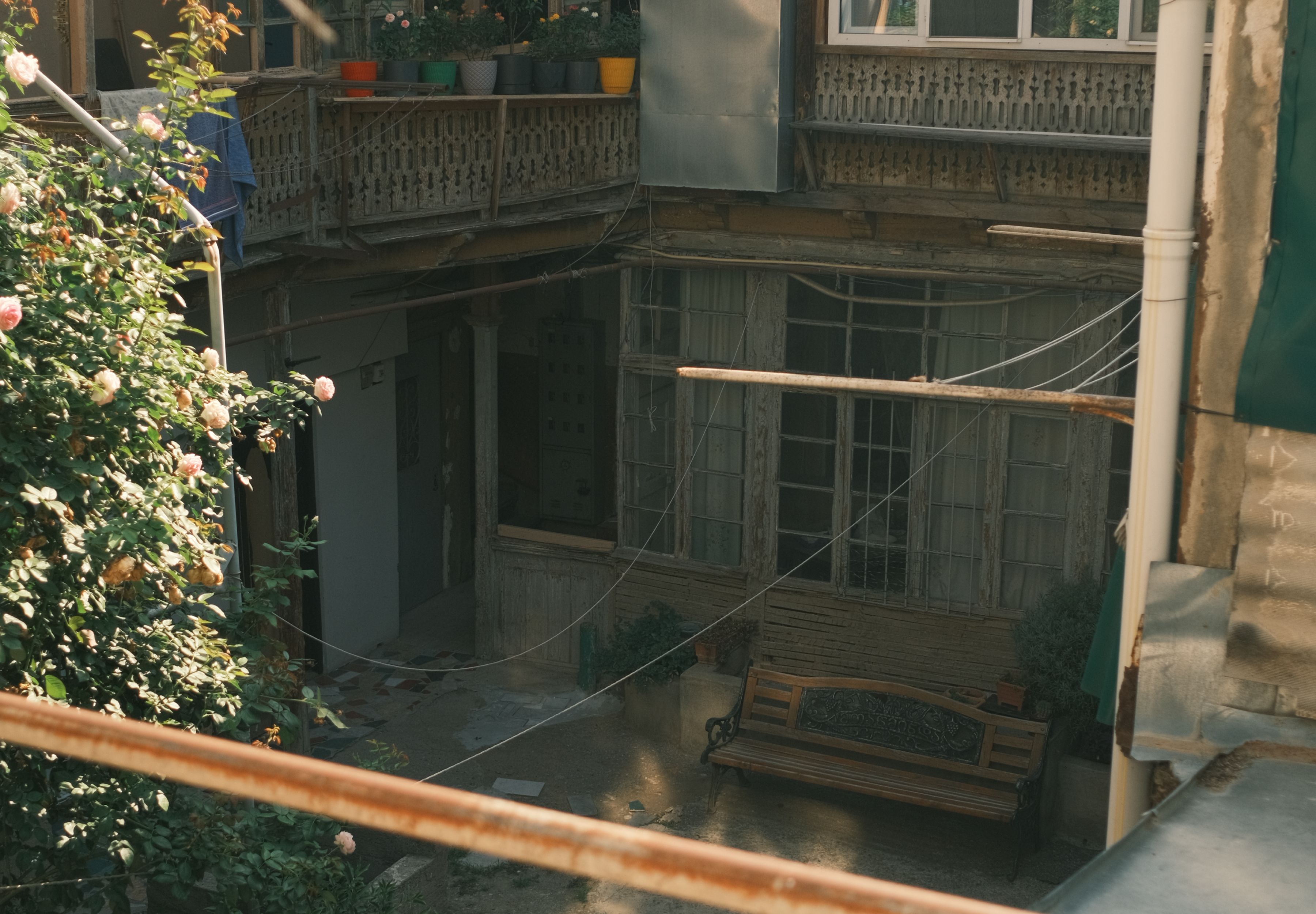
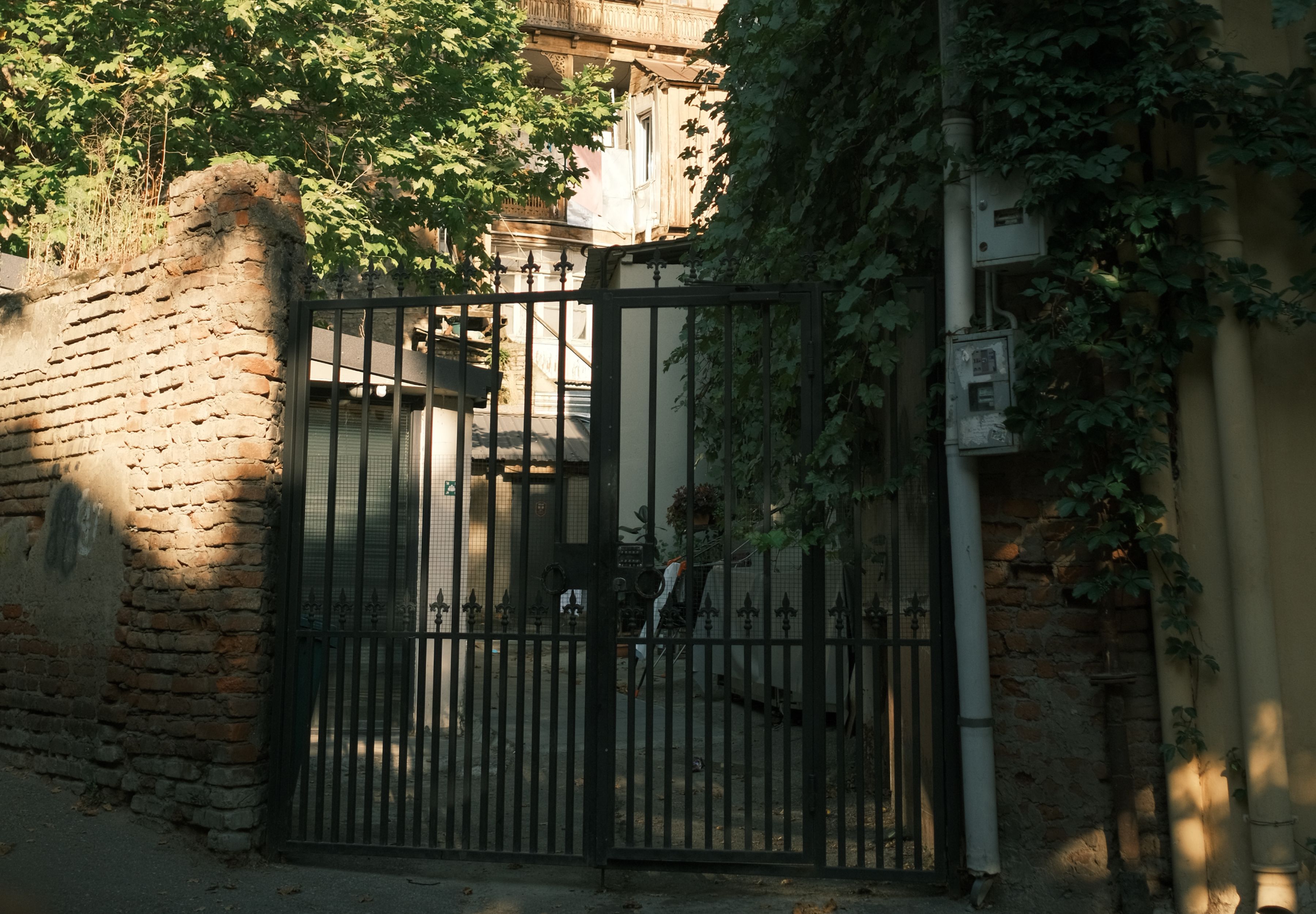
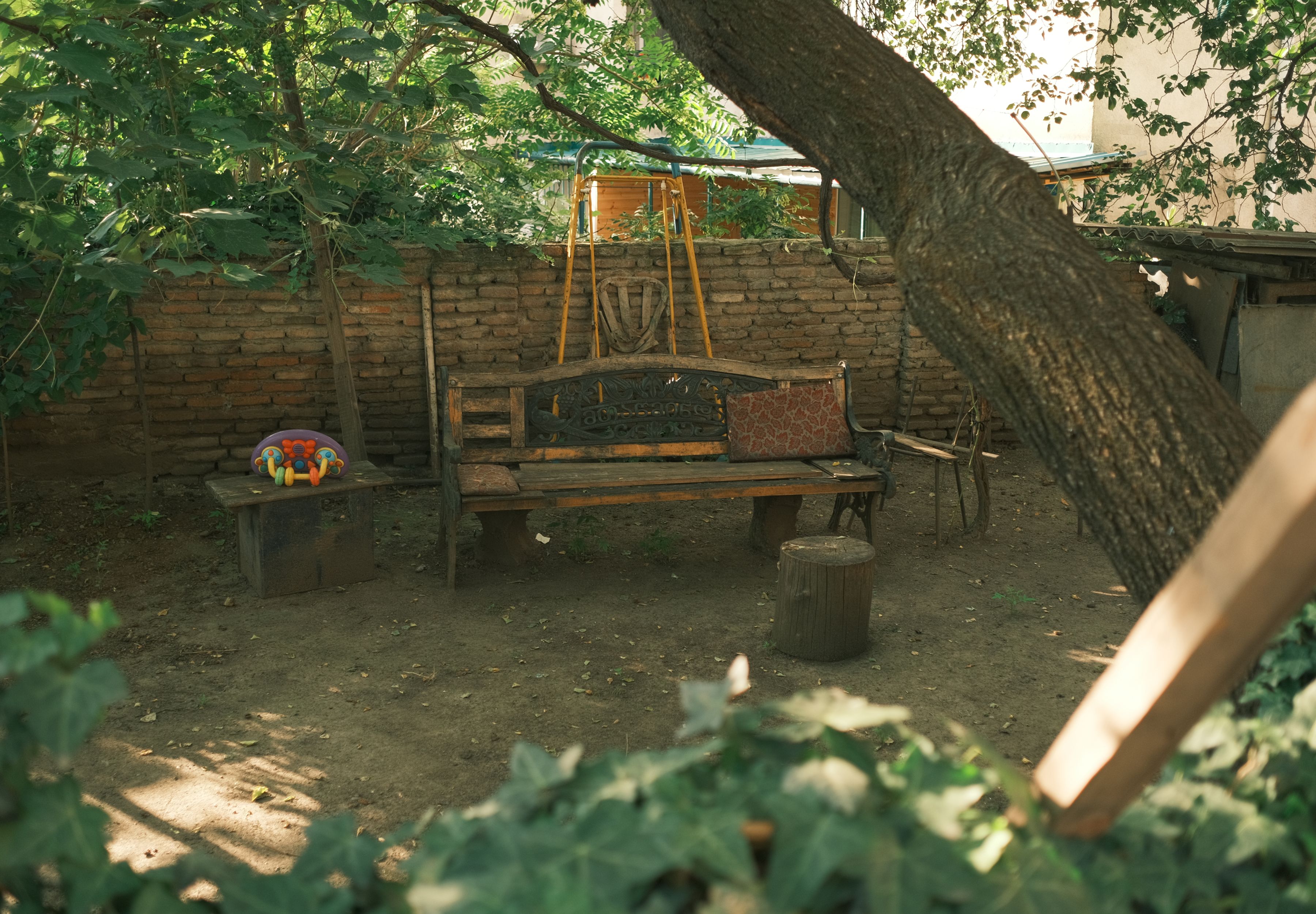
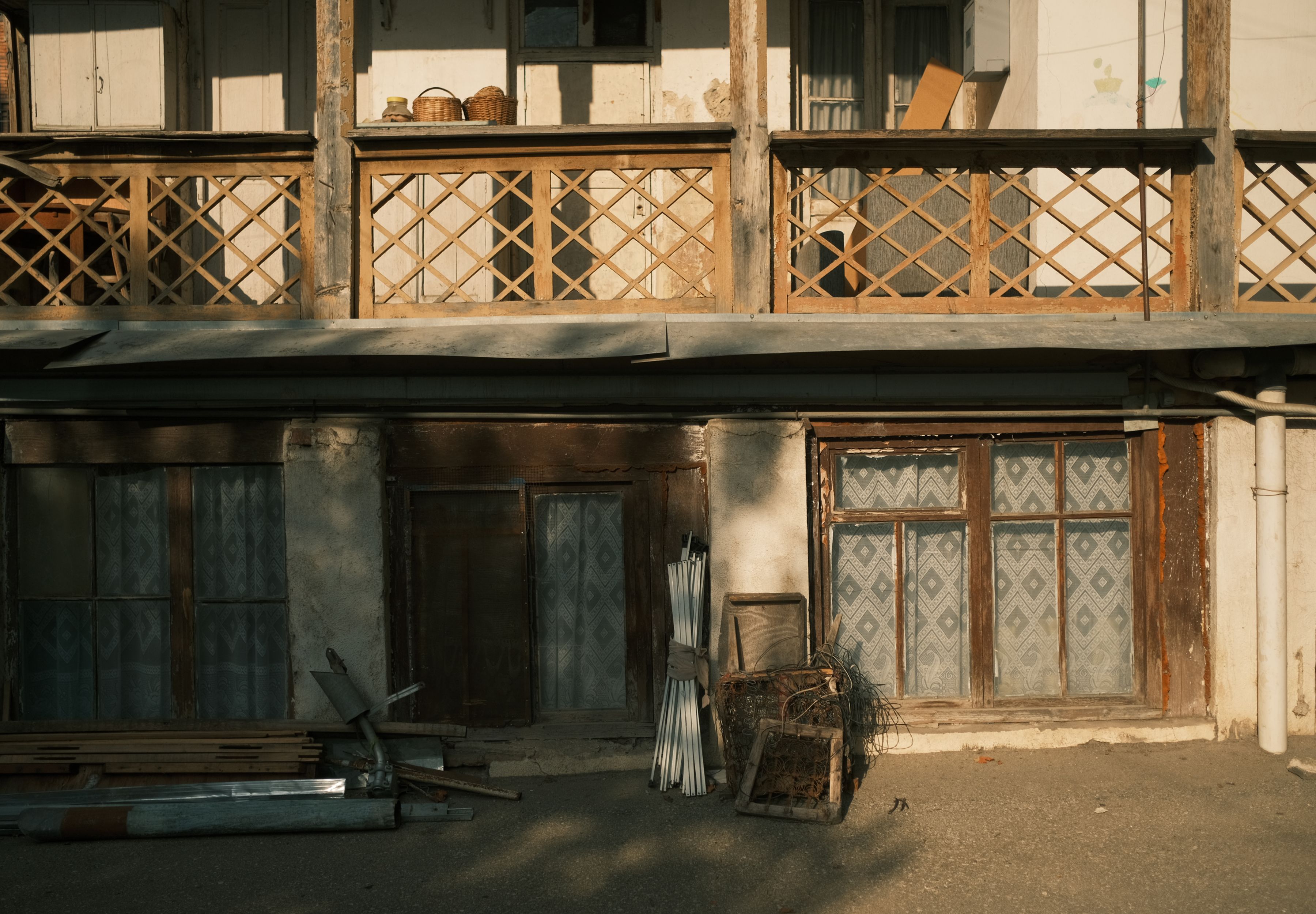
“Ezo” in Georgian refers to Tbilisi-style courtyards. Emerging in the 19th century, they have since been shaped by various socio-political and ideological transformations of Georgia’s capital.
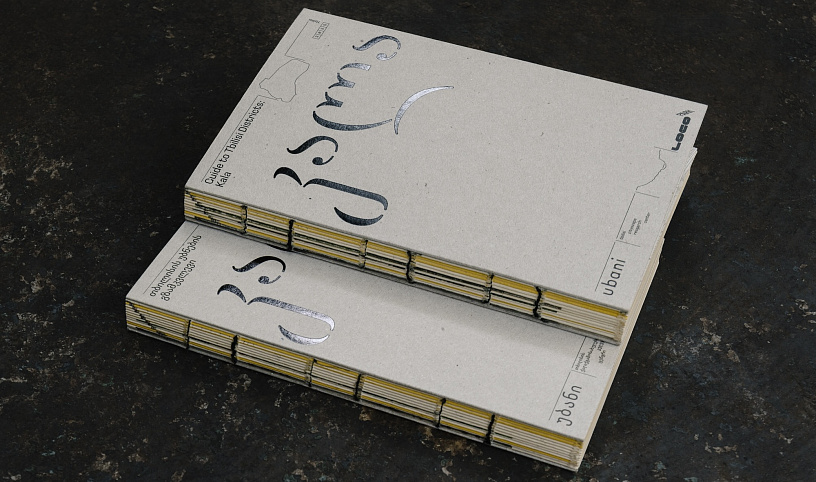
Tbilisi-style courtyards form the city’s porous body. The pores are in-between spatial voids within the urban fabric — an internal system of courtyards, semi-private semi-public spaces, and passageways. “Ezologia — Porous Body of Tbilisi” reflects the project’s approach to studying Tbilisi courtyards as both architectural and living social, spatial, and cultural elements. It aims to explore the role of the pores in shaping the city’s architecture and vice versa.
The project is initiated by NWDS, while its key collaborators include Ubani, a non-profit focused on Tbilisi; wit[h]nessing, a platform for transdisciplinary artistic research; and studio2am, a multidisciplinary studio. The initiative also involves a diverse group of contributors, including visual artists, art historians, sociologists, urban researchers, and architects, such as Tatia Ghvineria, Levan Kalandarishvili, Mariam Jibuti, Marina Khatiashvili, Nata Vasadze, and others.