Collaborative Cartography Workshop
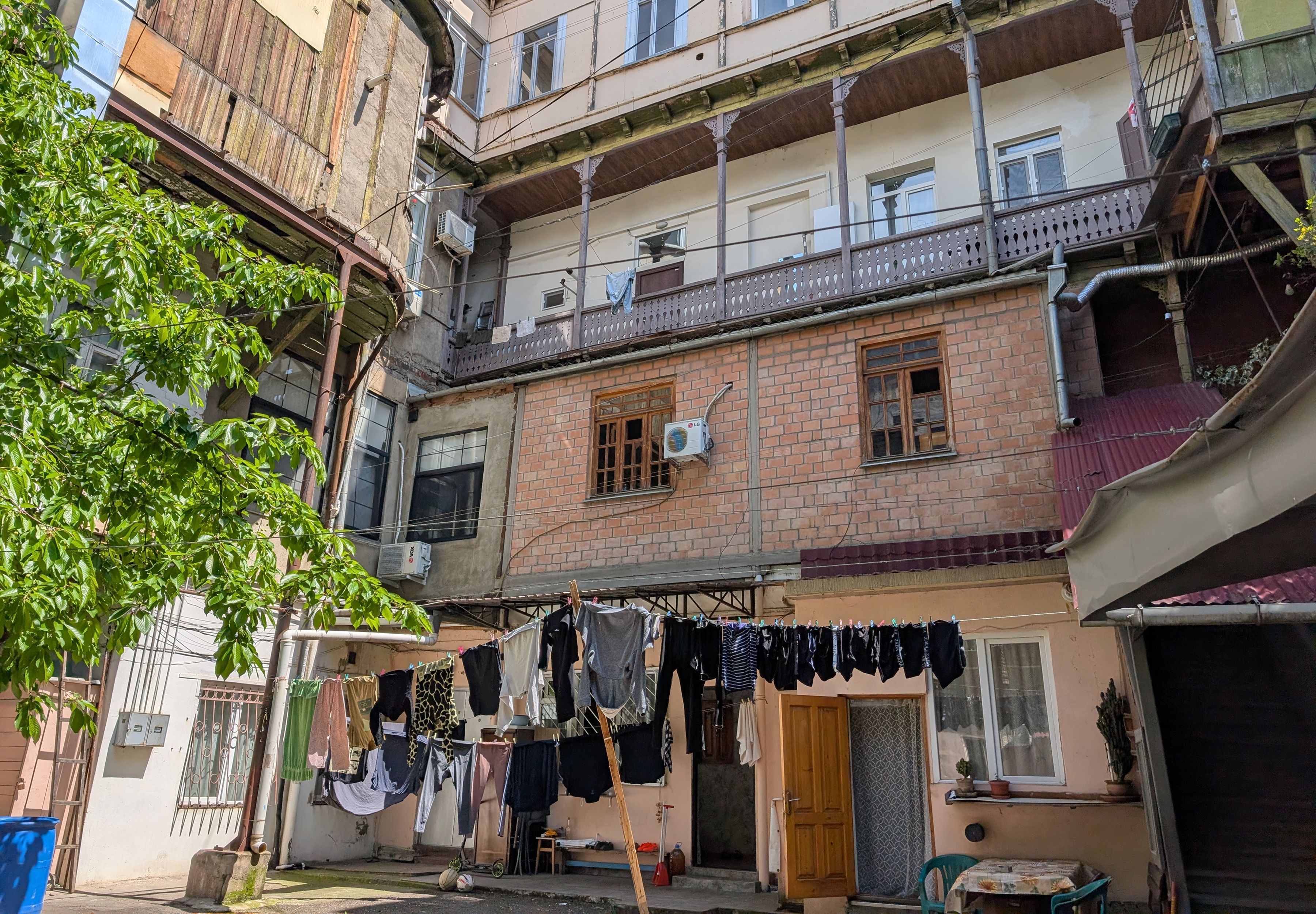
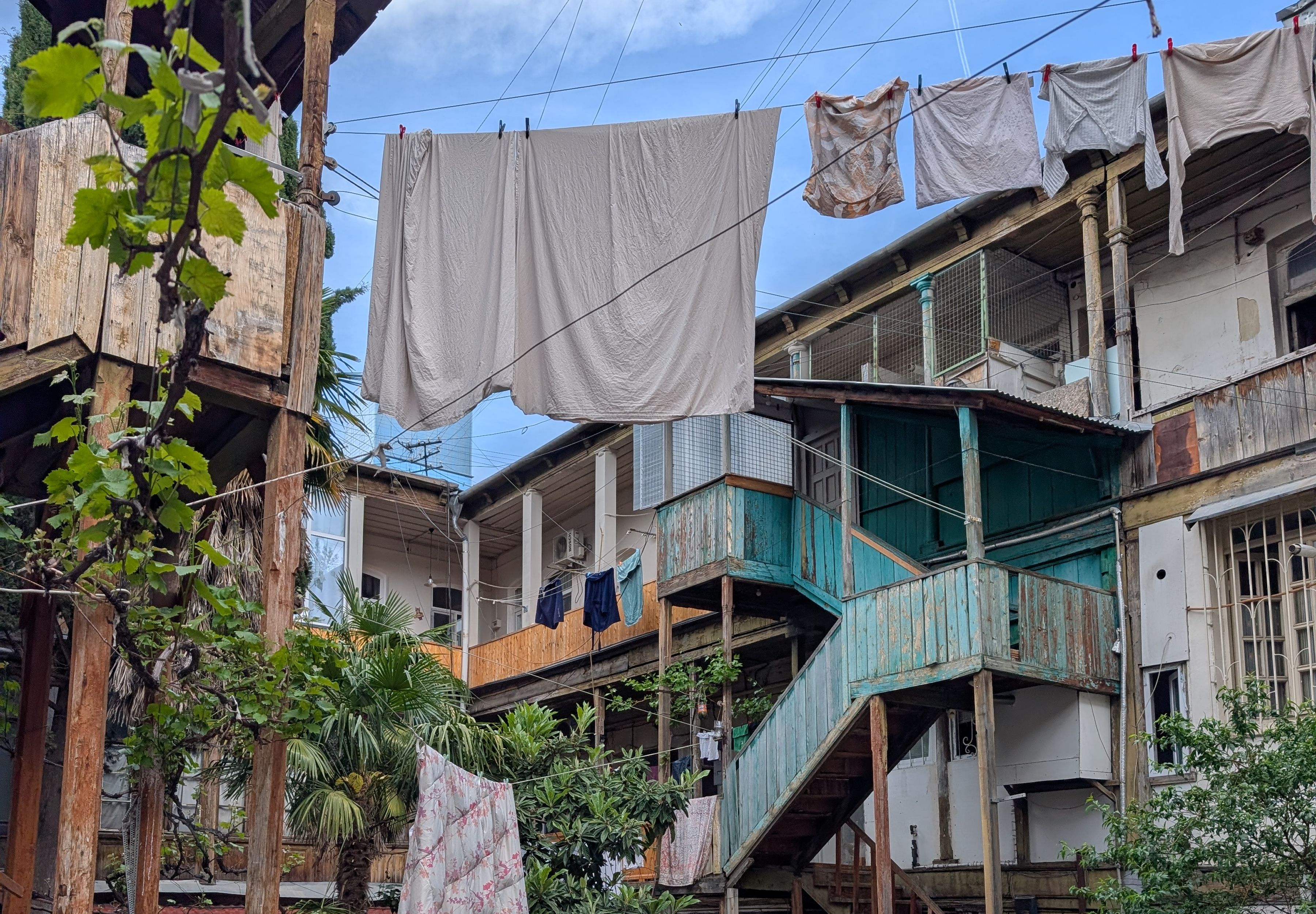
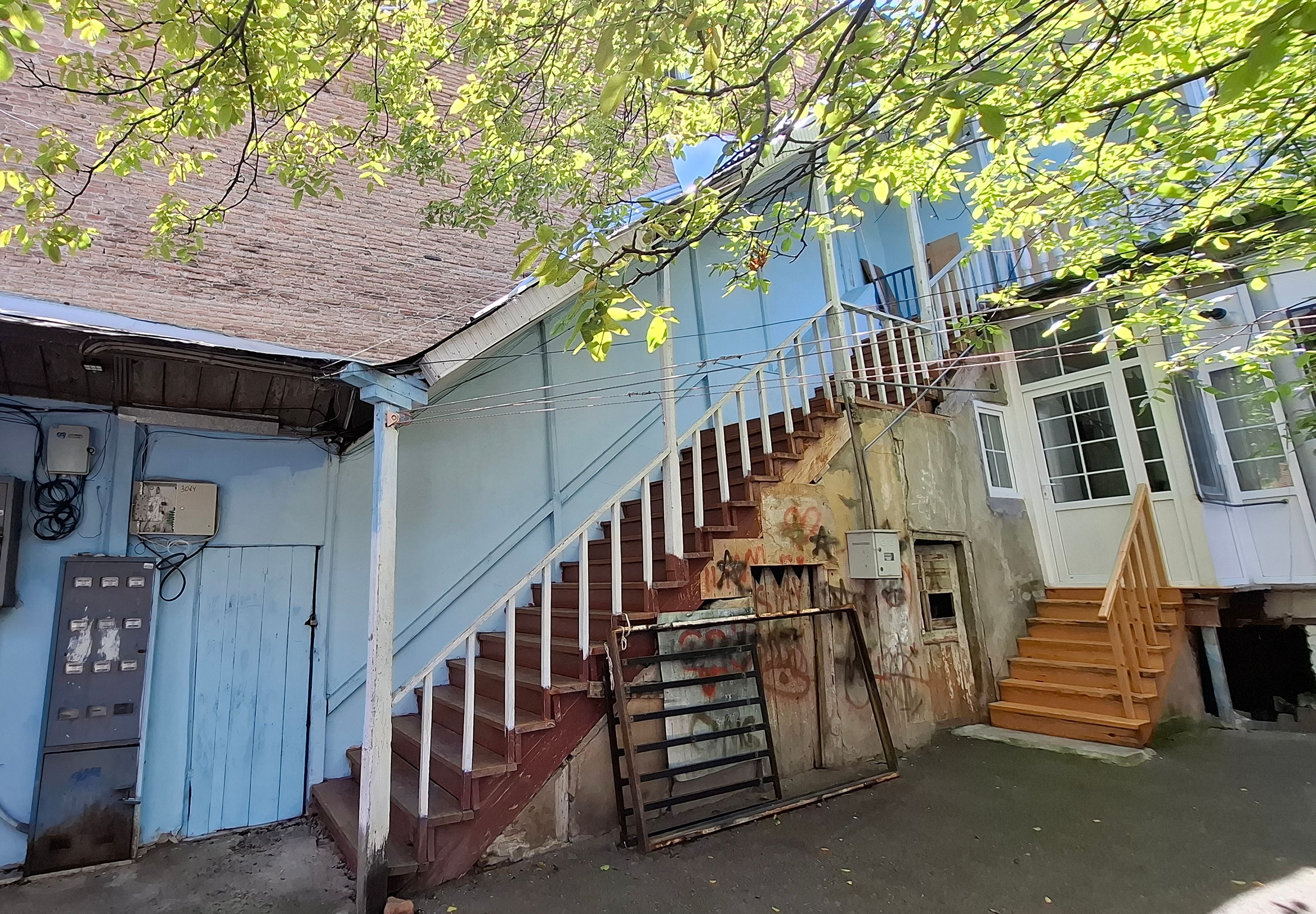
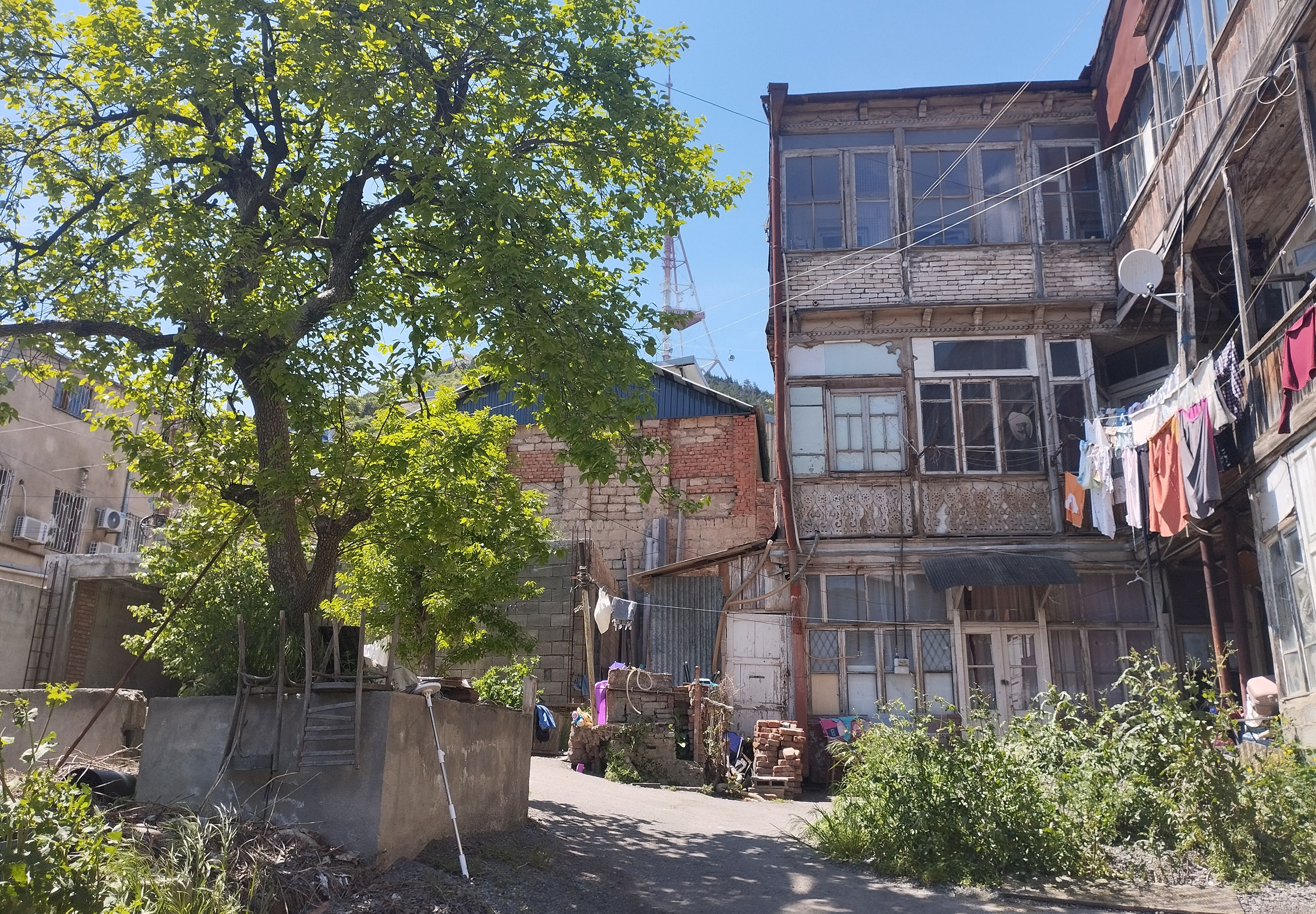
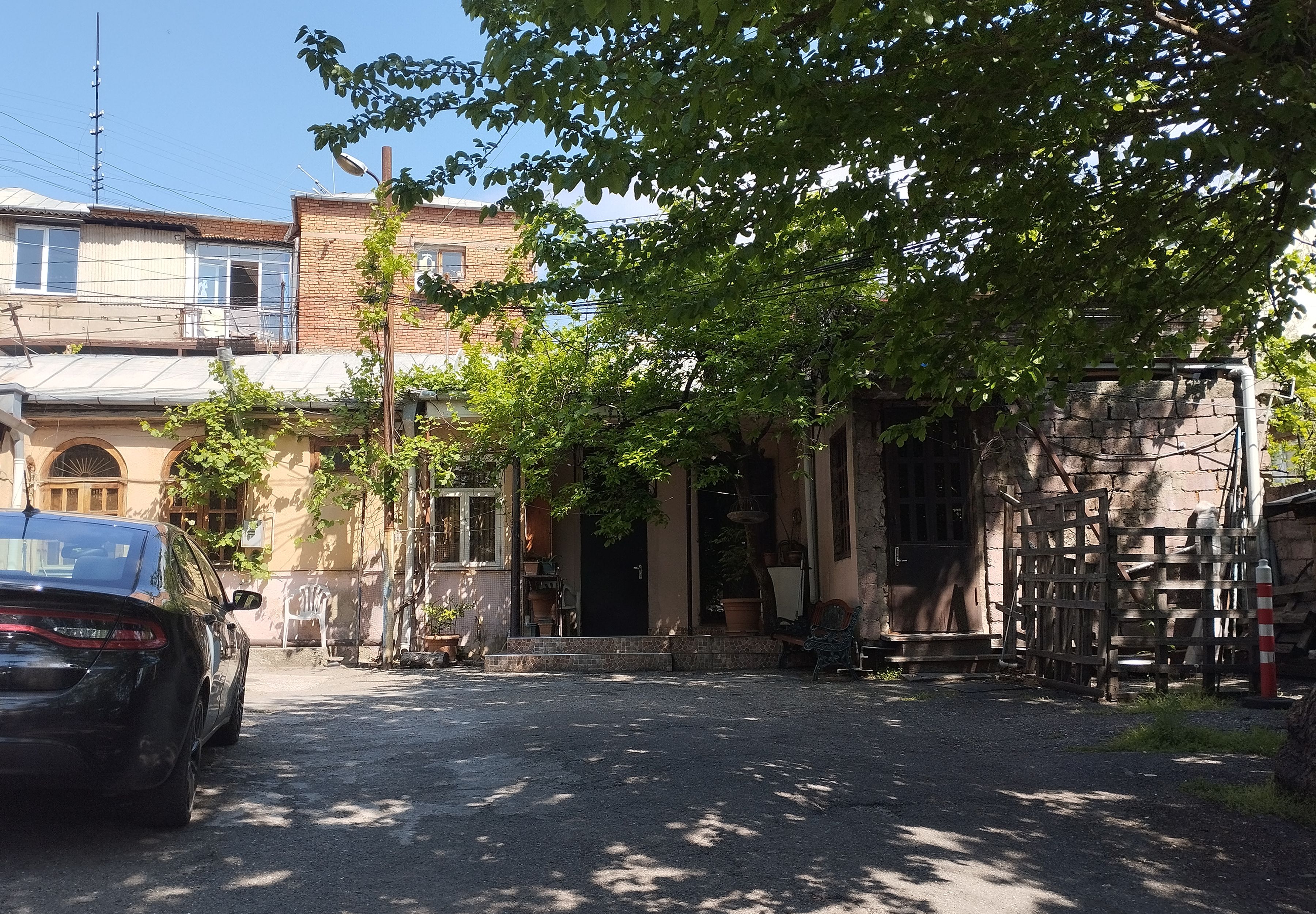
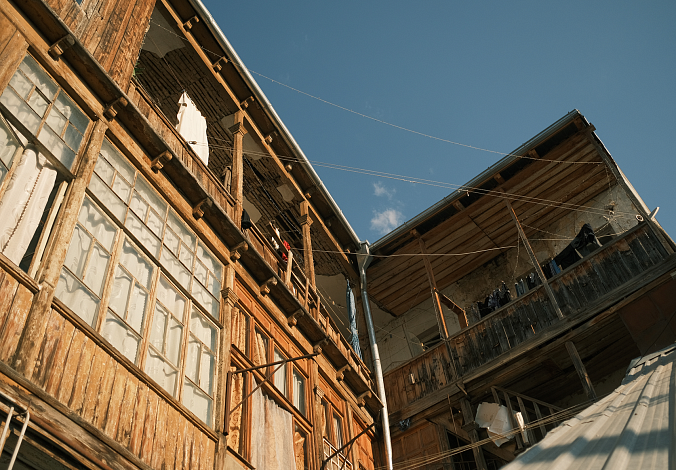
Over the past few weeks, Ubani, together with the team of NWDS, hosted a cartography workshop as part of the ongoing research project “Ezologia — Porous Body of Tbilisi,” which focuses on Tbilisian Courtyard
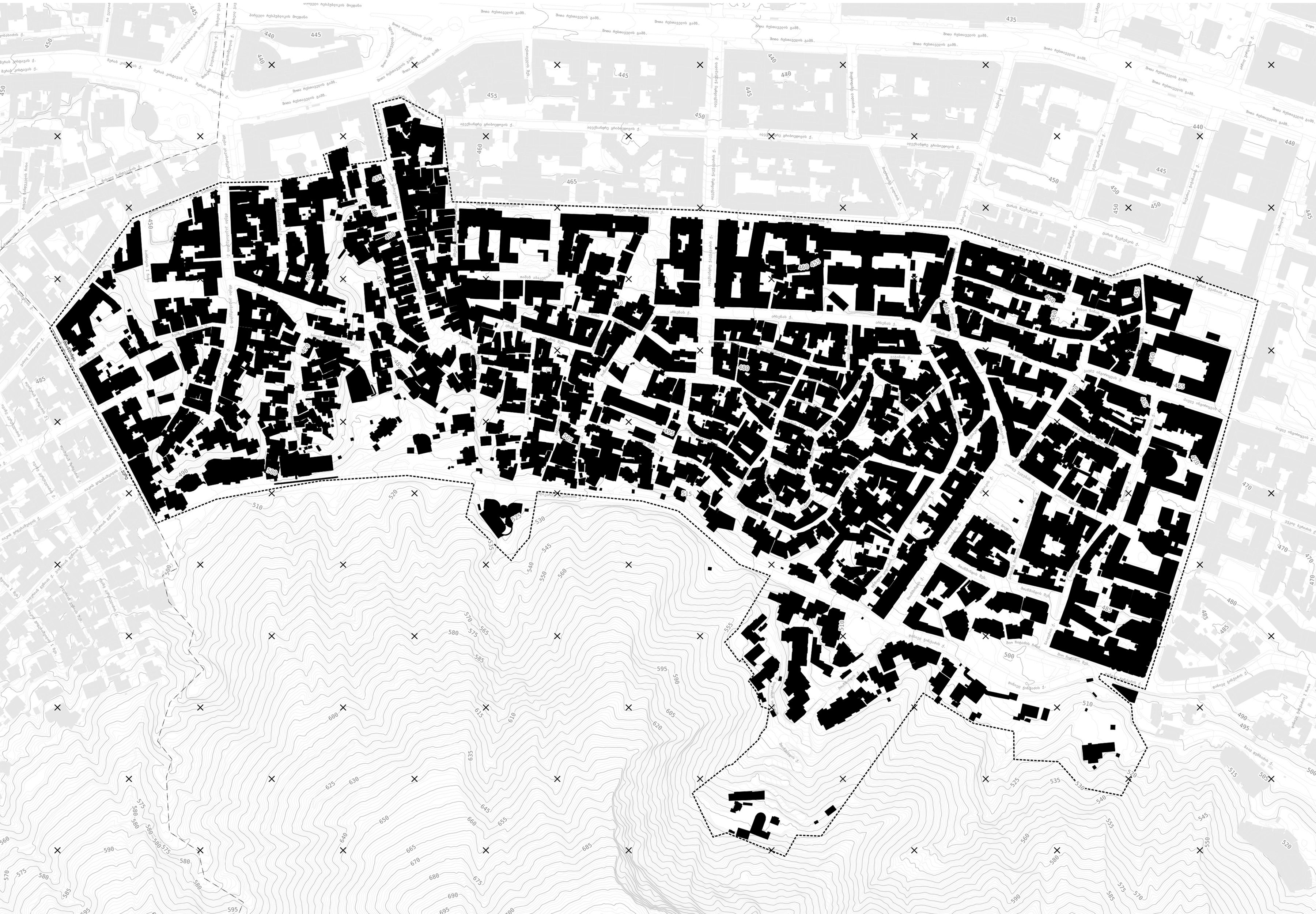
The initial phase of the workshop involved analysing Tbilisi's existing urban condition using digital tools. Students from various universities in Georgia were selected to work in a designated area of the Mtatsminda district, where there is a high concentration of traditional Tbilisian Courtyards.
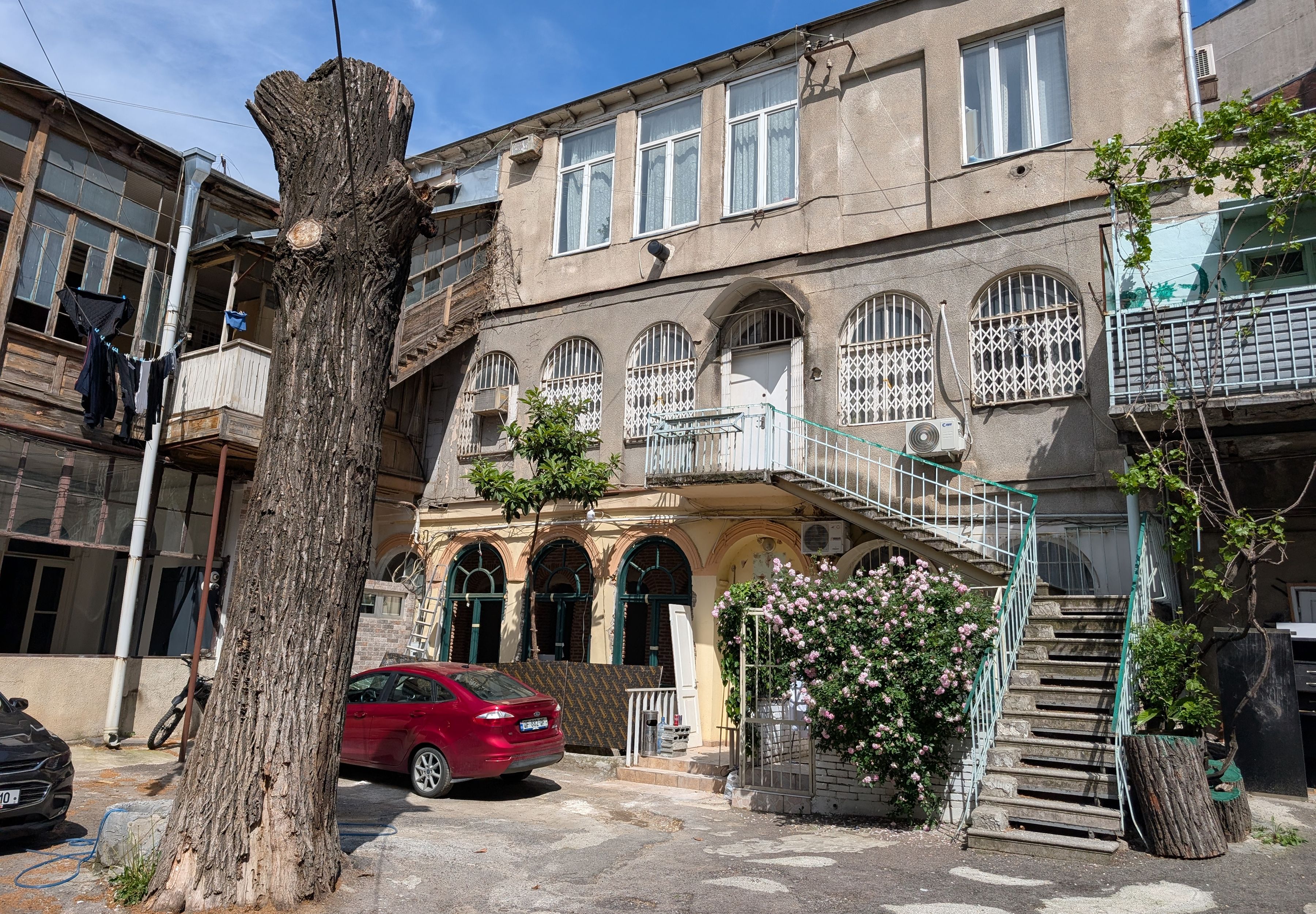
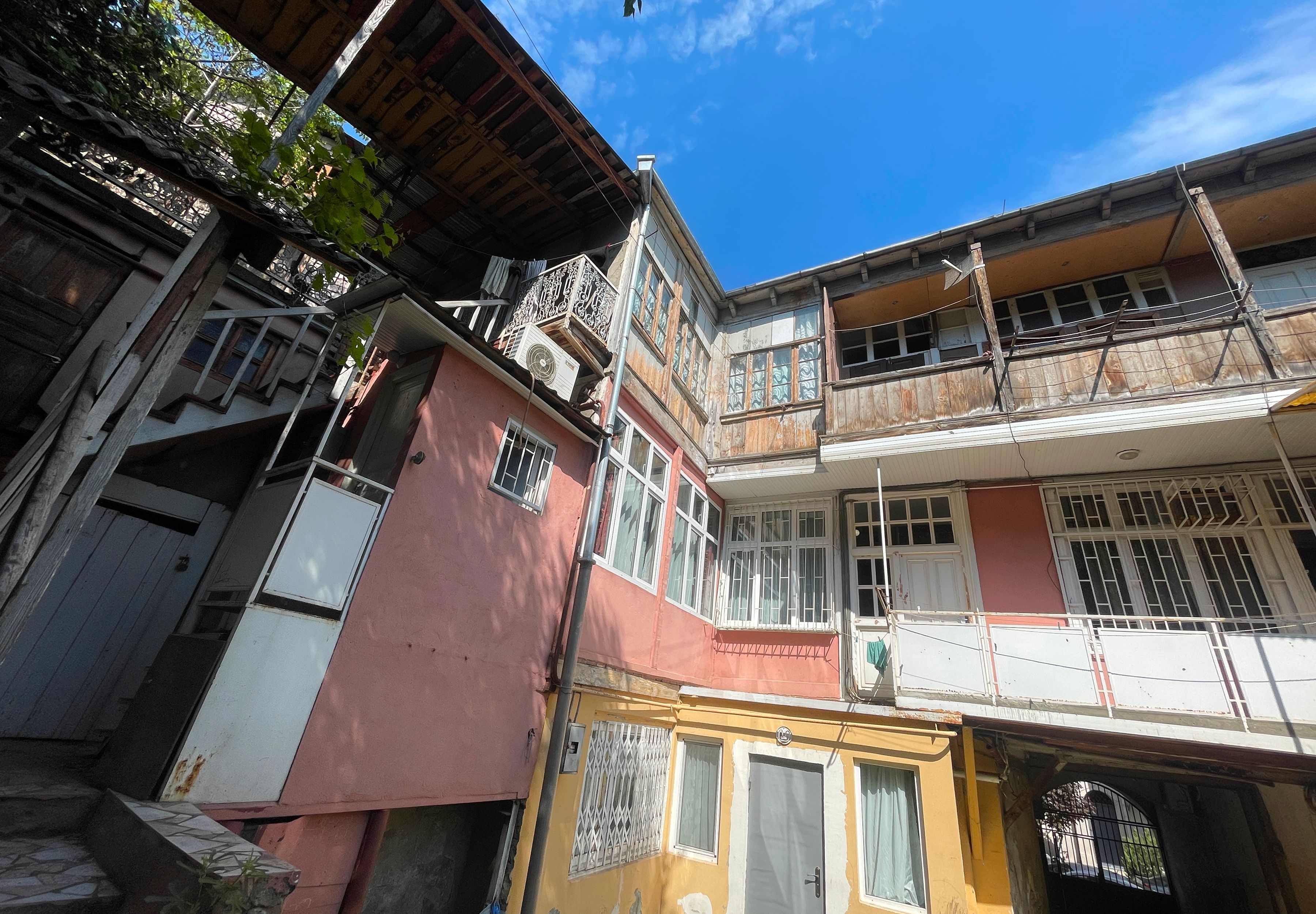
Using digital Geographic Information Systems (GIS) tools, such as QField, a mobile app synchronised with QGIS, participants collected data during field trips and entered it directly on-site from their phones, recording information about courtyards, façade types, courtyard permeability, and other parameters. Together, the group classified the Tbilisian Courtyards in their current state according to their spatial characteristics. The collected data were then transformed into graphic outputs, such as maps, courtyard drawings, and models, to illustrate patterns and characteristics across the study area.
Copyright Salome Labuchidze
Copyright Mariam Dzvelaia
Copyright Salome Labuchidze
Copyright Salome Labuchidze
Copyright Lile Liparteliani
“The workshop offered an opportunity to explore Tbilisi's courtyards through fieldwork and research. I was particularly interested in learning new documentation methods, including the use of the QField app. The program combined site visits, mapping, discussions, and collaborative exercises. We documented different courtyards across Tbilisi, produced façade elevations and observations, and analyzed their spatial typologies. Discussions with participants from different backgrounds helped me see these spaces from new perspectives. I learned new methods of observation, documentation, and spatial analysis, while gaining a better understanding of how courtyards function as social and architectural systems. Before the workshop, I saw courtyards mainly as an important part of Tbilisi's urban identity. The experience helped me recognize the diversity of courtyard typologies across the city and think more critically about their preservation and future development.”
Teona Kakhidze. Workshop participant; student at Free University of Georgia
“Exploring Tbilisi’s courtyards as part of the workshop was a highly important experience for me. It showed me that a city is not just a collection of buildings, streets, and squares, but a living organism that preserves social connections, people’s everyday practices, and traces of life. The city’s identity is manifested in small, informal spaces, the so-called “pores,” where people meet, interact, and create shared memories. The workshop allowed me to get to know the capital’s courtyards better, including their structural characteristics, typologies, and spatial organisation. I observed how courtyards connect to residential buildings, entrances, staircases, balconies, and shushabandis, and how all of these elements create a unified urban environment.”
Mariam Dzvelaia. Workshop participant; student at Georgian Technical University
The outcomes of the workshop will contribute to a research-based exhibition as part of the “Ezologia — Porous Body of Tbilisi” project. Opening on June 26 at the Tbilisi History Museum, the exhibition will showcase visual, archival, and architectural research on Tbilisi-style courtyards.
Workshop supervisors: Aleksandre Gaprindashvili, Ana Petriashvili
Workshop participants: Mariam Dzvelaia (Student at Georgian Technical University), Teona Kakhidze (Student at Free University of Tbilisi), Davit Kuraziani (College “10x” / Graduate of Georgian University), Salome Labuchidze (Student at Ilia State University), Lile Liparteliani (Student at Free University of Tbilisi), Anastasiia Margiti (Student at East European University), Tatia Tsikhelashvili (Graduate of Apollon Kutateladze Tbilisi State Academy of Art)
About “Ezologia — Porous Body of Tbilisi”
Initiated by NWDS multidisciplinary studio and carried out in collaboration with Ubani, wit[h]nessing, and studio2am, the project studies, documents, and presents Tbilisi’s urban fabric through understanding the phenomenon of its courtyards.